What Chinese Machinery Suppliers Won't Tell You Before You Wire the Deposit
Executive Summary
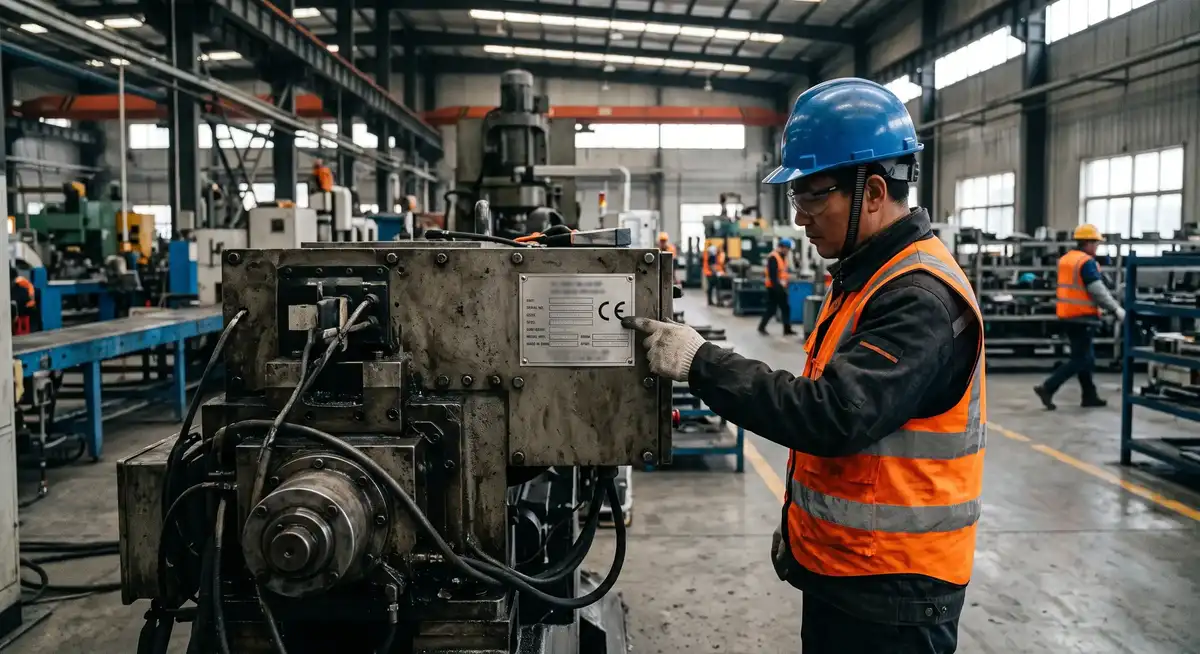
 An illustration of the process.
Procuring industrial machinery from international markets involves substantial financial commitments. When sourcing from China, the margin for error is narrow. Buyers must confirm supplier legitimacy prior to initiating any wire transfer. A systemic verification protocol protects capital and ensures the equipment meets technical specifications.
Rushing this phase often results in significant financial losses. Fraudulent entities present convincing digital facades to deceive international buyers. Thorough vetting separates genuine manufacturers from opportunistic middlemen. This article provides a structured methodology to validate Chinese machinery suppliers effectively.
What Is the Most Effective Way to Verify a Chinese Machinery Supplier?
Digital storefronts on major B2B platforms offer a starting point, but they do not guarantee legitimacy. Buyers need concrete evidence of operational reality. The initial step always involves requesting official documentation directly from the supplier.
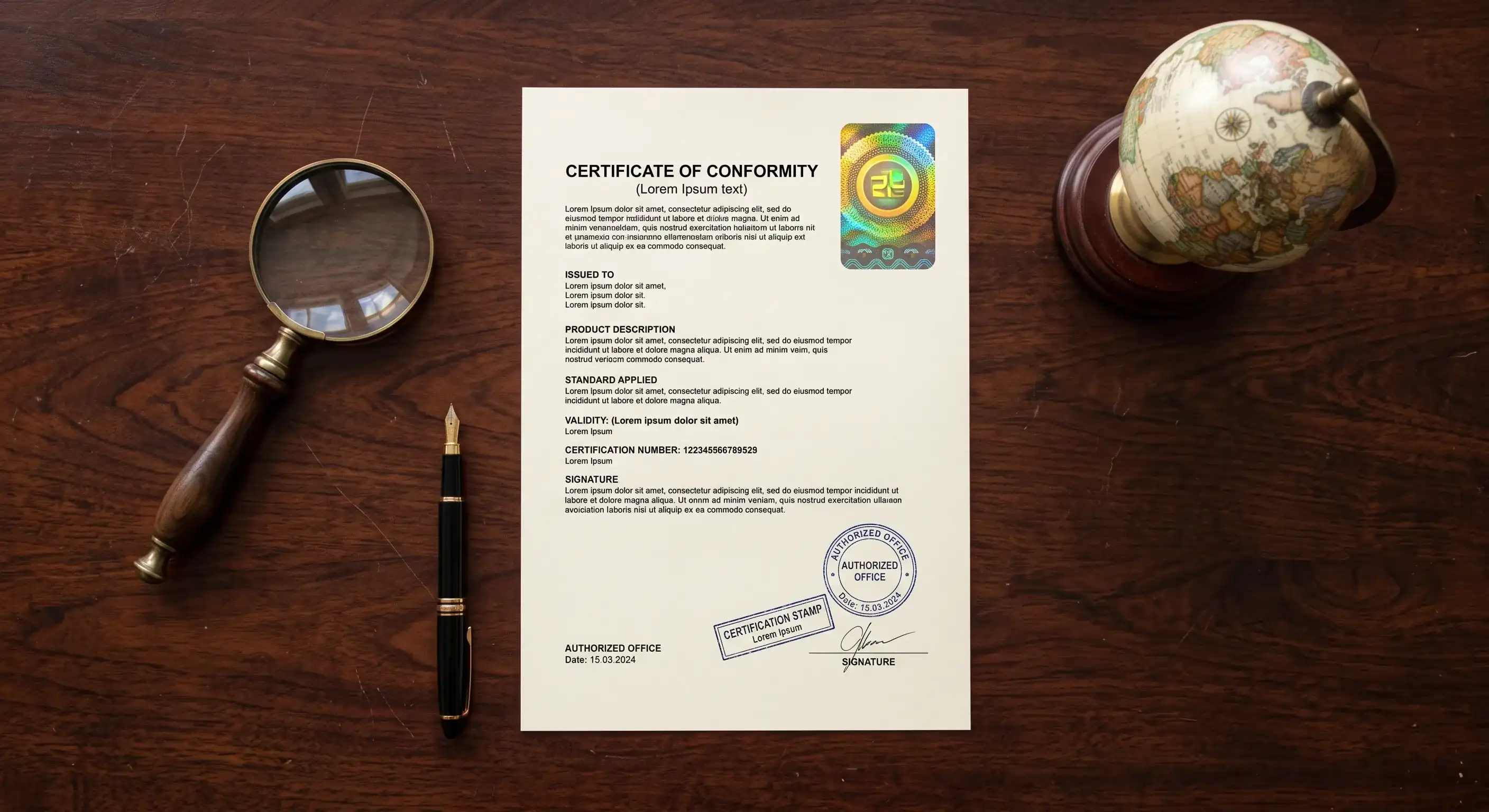
You must examine these documents for inconsistencies. Forged certificates remain a common issue in cross-border trade. Cross-referencing provided documents against official government databases confirms their authenticity.
Relying entirely on digital communication carries inherent risks. A comprehensive verification strategy combines documentary checks with physical inspections. This dual approach provides a clear picture of the supplier's actual capabilities.
Differentiating Manufacturers from Trading Companies
The Chinese industrial landscape features a complex mix of direct manufacturers and trading intermediaries. Trading companies often present themselves as factories to secure higher margins. Dealing directly with a manufacturer provides better control over quality, technical specifications, and post-sales support.
Trading entities serve a purpose for smaller, consolidated orders. However, capital-intensive machinery requires direct communication with the engineering team. Identifying the true nature of the supplier ensures clear accountability during the production phase.
You can spot trading companies by examining their product catalogue. A genuine factory typically specialises in a narrow range of related machinery. If a supplier offers an extensive array of unrelated industrial equipment, they likely operate as a trading intermediary.
Examining the registered business scope on their official licence provides conclusive proof. The business scope must explicitly list manufacturing or production activities. If the scope only mentions sales or trading, the entity does not produce the equipment themselves.
Essential Document Verification
Every legitimate enterprise in China holds a standard Business Licence with a unique eighteen-digit Unified Social Credit Code. You must request a high-resolution colour scan of this document. The licence contains the official company name in Chinese characters, the registered capital, and the legal representative's details.
Verifying this information requires accessing the National Enterprise Credit Information Publicity System. Searching the code reveals the company's current registration status and any history of legal disputes. It confirms whether the entity legally exists and operates within its authorised scope.
Document Forgery Risks
Exporting machinery requires specific regulatory approvals. Ensure the supplier holds a valid export licence. Without this document, the factory must use a third-party export agent, which adds complexity and risk to the logistics chain.
Assessing Technical Competence
Validating a supplier's legal existence only solves half the equation. You must also assess their technical capacity to build complex machinery. Request their ISO quality management system certification. Confirm the certificate's validity with the issuing authority.
Technical competence becomes evident through previous export records. Ask the supplier for bills of lading from recent shipments to your region. These documents prove they have successfully exported similar equipment and understand the relevant compliance standards.
Redact sensitive buyer information from the bills of lading if necessary, but the core details must remain visible. A manufacturer unable or unwilling to provide export evidence likely lacks international experience.
Review their engineering documentation. A capable factory provides detailed technical schematics, component lists, and electrical diagrams upon request. Evasion or delays in providing technical data often indicate a lack of in-house engineering expertise.
The Importance of Physical Audits
Remote verification reaches its limit when assessing actual production quality. A physical factory audit provides indispensable ground truth. You must never wire a substantial deposit without an on-site inspection.
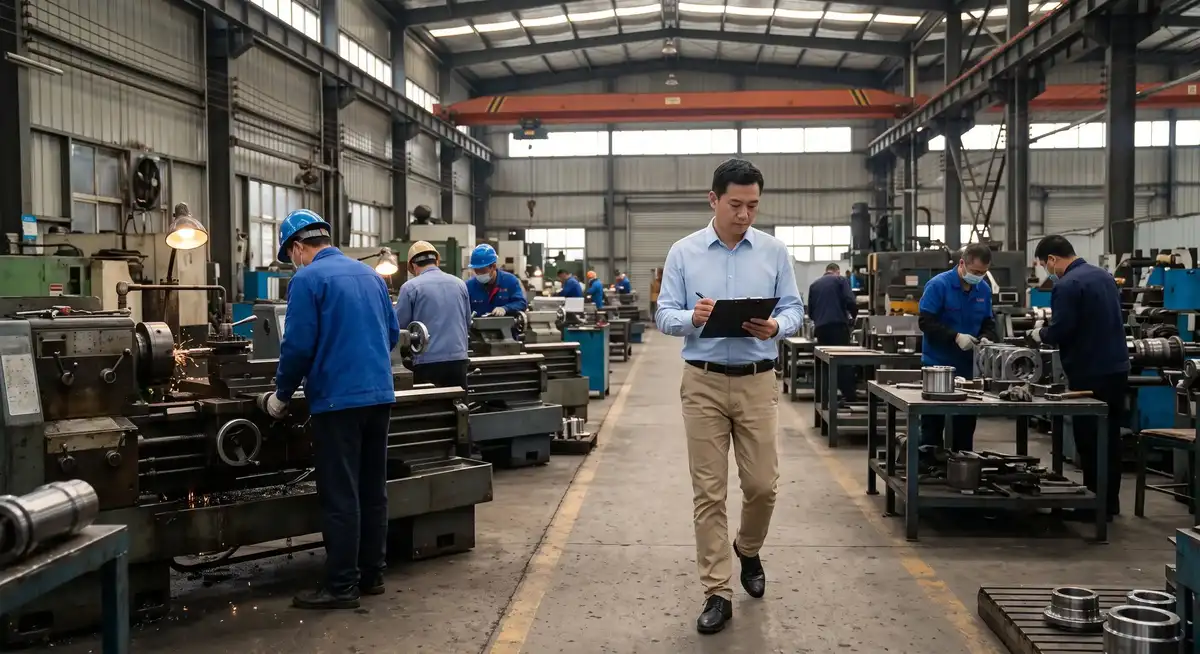
If you cannot travel, hire an independent third-party inspection agency based in China. These professionals visit the facility to verify its size, workforce, and operational status. They check whether the factory floor matches the images presented in the supplier's marketing materials.
The audit should assess the manufacturing equipment, quality control laboratories, and inventory management. An empty factory floor or outdated production lines indicate significant operational risks. The auditor must also confirm that the specific machinery you intend to purchase is actively manufactured on-site.
Securing Favourable Payment Terms
The payment structure serves as your primary control mechanism. Paying total value upfront entirely shifts the risk to the buyer. You must negotiate terms that tie payments to verifiable production milestones.
The standard payment structure in machinery procurement involves a smaller initial telegraphic transfer deposit. The remaining balance becomes payable only after a successful pre-shipment inspection. This arrangement keeps the supplier motivated to meet quality standards.
For orders exceeding a specific value, consider using a letter of credit. This financial instrument ensures payment occurs only when the supplier presents compliant shipping documents to the bank. While these structures incur bank fees, they provide substantial security for large capital expenditures.
Never wire funds to personal bank accounts. Ensure the beneficiary account name matches the official English name of the company exactly. Discrepancies in bank details serve as a major warning sign of potential fraud.
Communication and Contract Formalisation
Clear communication prevents costly engineering errors. Relying solely on informal messaging apps creates a fragmented record of technical requirements. You must formalise all specifications in a comprehensive contract.
A pro forma invoice acts as a preliminary agreement, but it lacks sufficient detail for complex machinery. Draft a formal purchase agreement that outlines technical tolerances, material requirements, and component brands.
The contract must be bilingual, drafted in both English and standard Chinese. In the event of a dispute, Chinese courts rely on the Chinese version of the text. Ensure a qualified legal professional reviews the translation to prevent deliberate loopholes.
Include clear penalties for delayed delivery and quality failures. Establishing these parameters upfront sets expectations and deters suppliers from deprioritising your order.
Evaluating Post-Sales Support Capabilities
Industrial machinery requires ongoing maintenance and occasional troubleshooting. A supplier's responsibility extends beyond the loading port. Assessing their post-sales support infrastructure is a critical part of the verification process.
Ask the supplier to detail their spare parts availability. A reliable manufacturer maintains an inventory of critical components ready for immediate dispatch. Confirm whether they use internationally recognised electrical components that you can source locally.
Review the warranty terms closely. Understand what components are covered and for how long. Clarify who bears the shipping costs for replacement parts under warranty.
Test their technical support responsiveness during the negotiation phase. If the engineering team takes days to answer technical queries before the sale, their post-sales support will likely be worse.
Red Flags to Monitor During Negotiations
Vigilance during the communication phase reveals critical insights into a supplier's reliability. Certain behaviours consistently indicate underlying problems. Recognising these warning signs protects your capital from poorly managed or fraudulent entities.
Unusually low pricing demands immediate scrutiny. Scammers use below-market prices to rush buyers into transferring deposits. If a quote sits significantly below the industry average, the supplier will likely cut corners on materials or fail to deliver entirely.
Evasive answers to direct questions signal a lack of expertise. A genuine manufacturer provides precise, technical responses regarding machine capabilities. Vague assurances that they can handle any requirement usually indicate a trading company desperate for an order.
Bait and Switch Tactics
Pressure to bypass standard verification procedures is a major warning sign. If a supplier actively discourages third-party inspections or refuses to accept milestone payments, terminate the negotiation. Legitimate manufacturers welcome audits as an opportunity to prove their capabilities.
Managing the Inspection Process
The pre-shipment inspection represents the final barrier before you release the balance payment. This step requires meticulous planning. You must define the inspection criteria explicitly in the initial contract.
The inspector must run the machinery under full load conditions. Static visual inspections do not confirm operational functionality. The auditor should record videos of the machine processing your specific raw materials.
Check the electrical systems for compliance with your destination country's standards. Non-compliant electrical panels cause severe installation delays and require costly local modifications.
Review the packaging standards before authorising shipment. Machinery requires proper anti-rust treatments, moisture barriers, and secure crating for ocean freight. Inadequate packaging leads to catastrophic damage during transit.
Ensuring Regulatory Compliance
Importing machinery requires adherence to destination country regulations. The supplier must demonstrate an understanding of these requirements. Failure to provide compliant documentation results in customs delays and potential confiscation.
Verify that the machinery meets necessary safety certifications. For example, specific markings are mandatory for the European market, while similar frameworks apply to African nations. The supplier must provide test reports from recognised international laboratories.
Check the validity of these certificates directly with the issuing body. Fraudulent safety certificates are common in the machinery sector. A supplier using fake certificates poses a severe liability risk to your organisation.
Ensure the supplier prepares accurate commercial invoices and packing lists. Customs authorities scrutinise these documents to determine import duties. Incorrect harmonised system codes lead to administrative penalties and clearance delays.
Establishing Long-Term Partnerships
Thorough verification forms the foundation of a reliable supply chain. While the initial vetting process requires significant effort, it yields long-term dividends. A verified manufacturer becomes a strategic asset for your business operations.
Maintain professional relationships with the factory management. Clear communication and prompt payments foster mutual respect. A strong relationship ensures your orders receive priority scheduling during peak production seasons.
Conduct periodic re-evaluations of your established suppliers. Factory ownership changes, and quality standards can slip over time. Regular audits maintain the baseline quality you expect.
Continuous monitoring mitigates supply chain disruptions. By applying these verification principles consistently, you build a resilient procurement network capable of supporting your operational growth.
Supplier Verification Checklist
Verification Checklist
- Request the official Chinese business licence in high resolution
- Verify the company name and Unified Social Credit Code on the National Enterprise Credit Information Publicity System
- Check for a valid export licence to ensure they can handle logistics directly
- Demand physical factory audits before issuing any deposit payment
- Confirm technical certifications match your regional safety standards
- Structure payment terms around verifiable production milestones and pre-shipment inspections
Conclusion
Securing your supply chain requires a proactive stance on verification and quality assurance. A comprehensive strategy protects capital and ensures that physical goods meet all regulatory and technical expectations upon arrival. For deeper guidance on structuring these transactions and implementing these checks, explore our dedicated sourcing services and verification resources. You may also be interested in our guides on risk management in cross-border trade.
Frequently Asked Questions
What is the most reliable way to verify a Chinese machinery manufacturer?
Request a live video walk-through of the production facility showing active production lines, inventory in progress, and the specific machinery used to manufacture your product. Cross-reference the factory's Unified Social Credit Code against the National Enterprise Credit Information Publicity System (NECIPS). A legitimate manufacturer will appear in the system with accurate production scope and registered capital figures.
How do I distinguish a trading company from a genuine manufacturer?
Trading companies market themselves as manufacturers but lack production capacity. Key indicators of a trading company: the business licence scope covers "wholesale" not "manufacturing," the address is a commercial office district rather than an industrial zone, the employee count listed in business filings is under ten people, and the supplier cannot organise a physical audit on their own production floor. A genuine factory will welcome an independent inspection.
What business documents should I request from a Chinese machinery supplier?
Request the business licence (营业执照), the manufacturing production permit if applicable, the ISO 9001 quality management certificate, and export records from the past twelve months. For machinery subject to mandatory Chinese safety certification (CCC), request the CCC certificate and verify it against the CNCA certification database. Never accept photocopies — request certified copies with official stamps.
Can I verify a Chinese machinery supplier's export history?
Yes. Request the factory's export trade records and cross-reference them with China Customs trade statistics. Verify the Harmonised System (HS) codes on their export records match the product you are purchasing. A factory that has never exported your specific product category may lack the technical expertise or the relevant production tooling. Consistent export history to your destination country indicates established compliance capability.
What physical inspection checks are essential for heavy machinery?
An independent inspection should cover: machine nameplate accuracy against the purchase specification, electrical safety compliance with the applicable Low Voltage Directive, physical dimensions and weight matching the agreed parameters, guarding and safety interlocks present and functional, and a test run under load to verify the machine operates without fault. Commission a qualified engineer — not a general inspection agent — for capital equipment above USD 50,000.
How do payment terms protect buyers sourcing machinery from China?
For capital equipment, structure payment as 30% deposit to commence manufacturing, 30% upon successful factory acceptance test (FAT) with photographic evidence, and 40% balance against a clean pre-shipment inspection report and bill of lading. For high-value orders, require an irrevocable letter of credit through a bank in the supplier's favour, with the final 40% released only against presented documents.
What are the red flags when negotiating with a Chinese machinery supplier?
Refusal to conduct a live factory audit is the most critical red flag. Others include: requesting full payment before production, an inability to provide references from previous international buyers, pricing significantly below market rates without explanation, a factory with a registered capital far below the order value, and communication via free email domains rather than a corporate domain. Any one of these signals warrants deeper investigation before committing funds.
Related Articles
7 Things Chinese Factory Auditors Won't Tell You (Until It's Too Late)
A factory you haven't audited is a factory you're gambling on. The 7 capacity, license, and quality-control checks that separate a real manufacturer from a trading shell — before your deposit disappears.
Why Your 'CE Marked' Chinese Machinery Might Get Seized at the Border
A CE sticker on Chinese machinery is meaningless without the Technical Construction File behind it. Countless suppliers exploit the 'China Export' loophole. How to verify a Notified Body number before customs seize your equipment.

Why 60% of African Importers Miss Out on AfCFTA Duty Savings (and How to Claim Yours)
A single 60% African-content threshold decides whether your goods cross the border duty-free or get hit with full MFN duty. How to document your supply chain, qualify, and claim the saving before your next shipment.

What 73% of Canton Fair Buyers Miss in the First 48 Hours (2026 Checklist)
Autumn 2026 Canton Fair runs 15 Oct–4 Nov. Most orders placed on first contact fail within 90 days. Ten pre-flight checks — plus three red flags that should stop any wire before you fly home.
Don't Learn About a Scam After You've Wired the Money
One short email per week. Real trade risk intelligence — supplier red flags, regulatory changes, and verification checklists. Before the wire, not after the loss.
Compliance Statement: Rumali Supreme does not buy, sell, or take title to commodities — including gold, minerals, machinery, apparel, building materials, vehicles, and consumer goods. We facilitate cross-border transactions between buyers and vetted suppliers. Verification engagements are billed at a fixed facilitation fee. Sourcing and transaction-coordination engagements are billed at a percentage fee on successful transactions. We are not the principal in any transaction.
Submitting an inquiry through this website does not create a purchase contract, agency relationship, brokerage agreement, supplier relationship, buyer representation agreement, or obligation for Rumali Supreme to provide services. Where Rumali Supreme provides verification, sourcing, or transaction-coordination services, a separate written engagement letter defines the scope, fee model (fixed or success-based), and the parties' respective roles. Rumali Supreme is never the principal in any underlying commodity transaction.